


Corneal transplants are the most frequently performed tissue transplants. Transplantation techniques have continuously evolved, moving away from penetrating procedures and increasingly toward lamellar keratoplasty techniques. Endothelial corneal diseases account for roughly half of all keratoplasty indications. Since transplanting vital endothelial cells alone is usually sufficient, classic penetrating keratoplasty appears to be overtreatment for this condition. For this reason, posterior lamellar techniques, particularly DMEK, have become well established as a largely atraumatic alternative. DMEK is limited to transplanting the isolated Descemet membrane together with the endothelial cells located on it. The graft no longer contains any stromal components and is characterized by a thickness of only about 15 µm.
Peter Szurman
Challenge
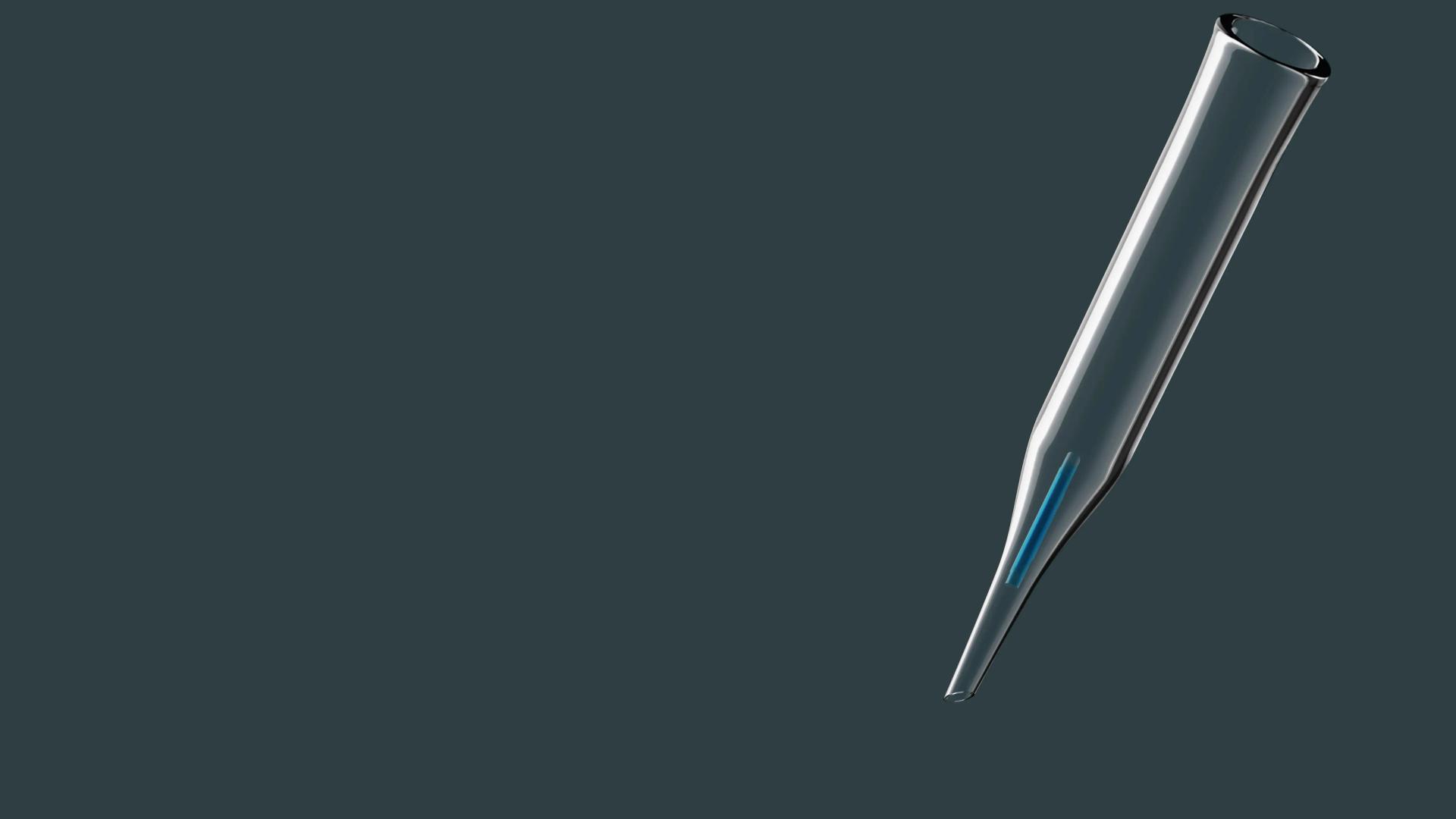
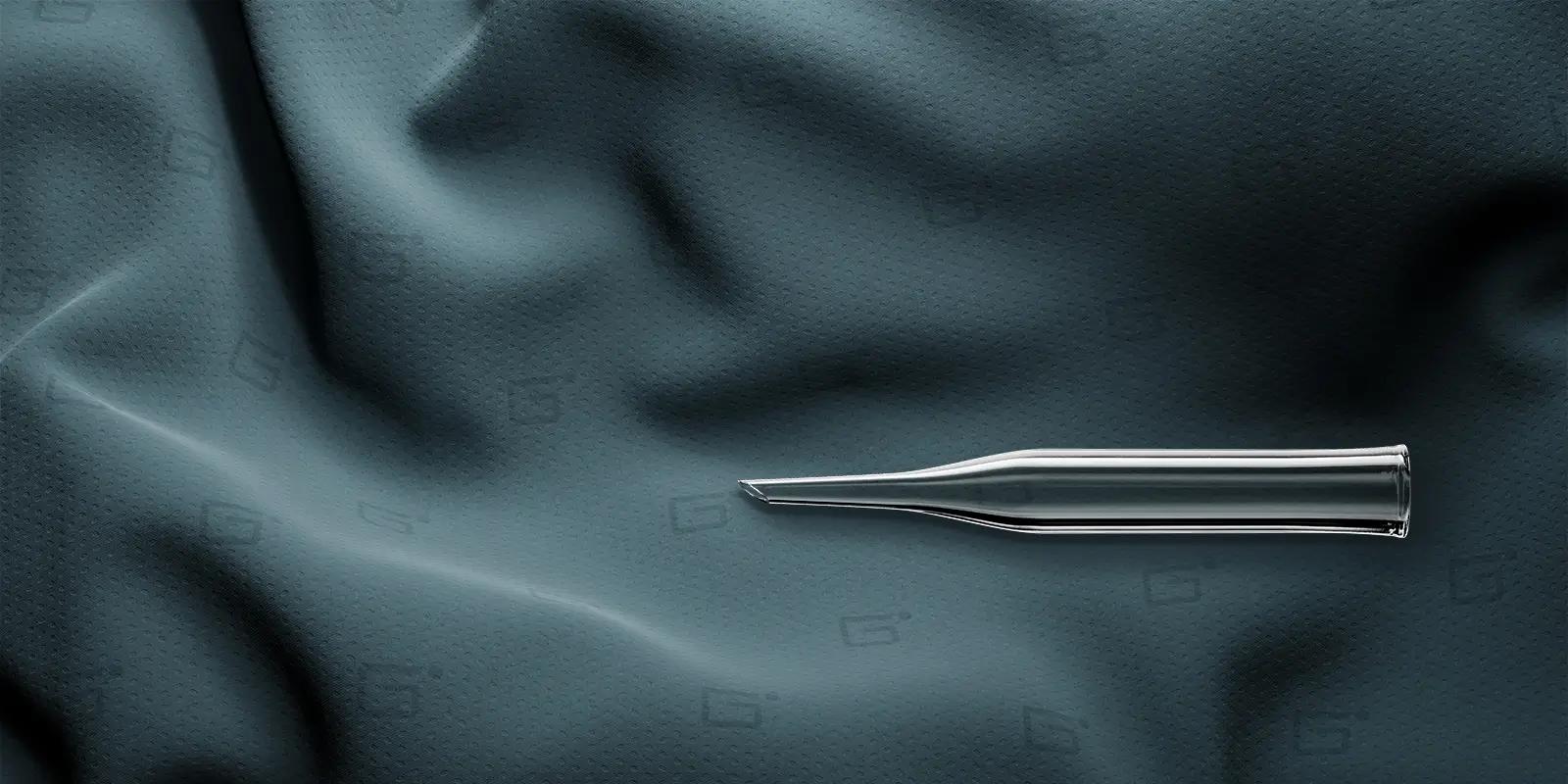
A central challenge in DMEK surgery with injection cartridges is the safe introduction of the extremely fragile graft into the anterior chamber. Correct orientation must be ensured while minimizing mechanical stress on the fragile Descemet membrane and the endothelial cell layer.
Solution
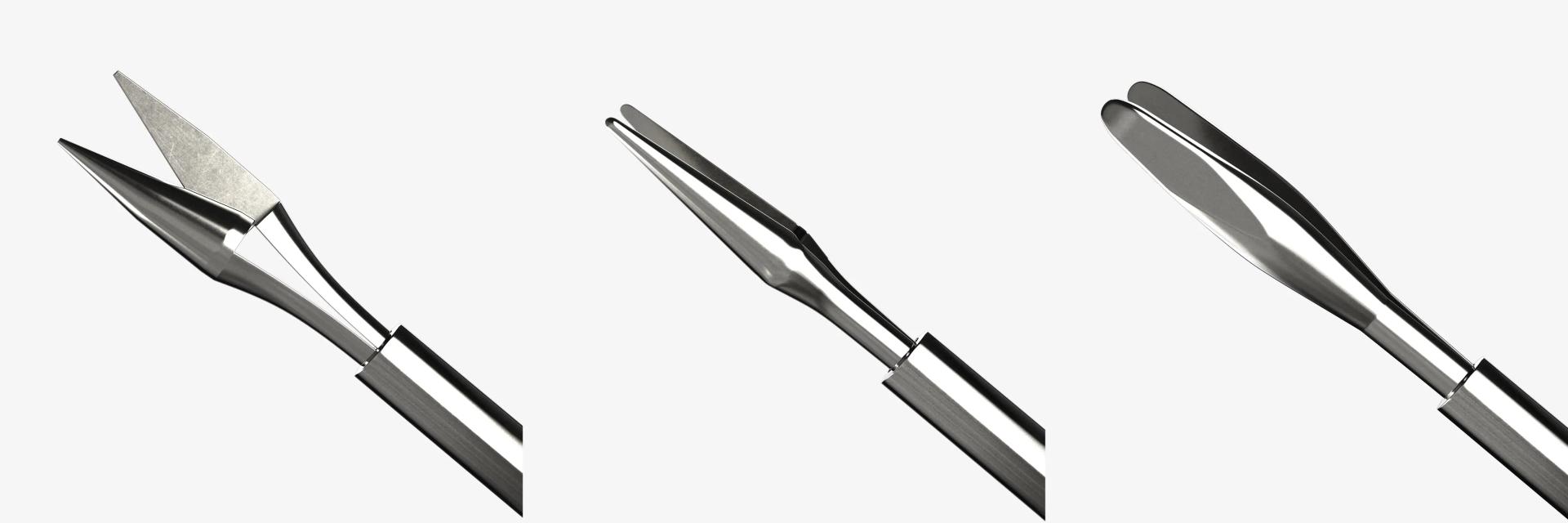
The graft is gently aspirated into the cartridge, enabling smooth and controlled handling of the delicate endothelium. Implantation into the anterior chamber can take place without direct manipulation of the endothelium or the Descemet membrane. This reduces endothelial cell loss and contributes to the reliable preservation of endothelial function.
Step by step
Connect the loading tube directly to the cartridge by slipping the tube over the tapered tip.
The Luer-lock connector of the loading tube can be connected directly to a single-use syringe.
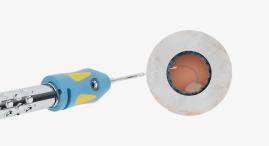
The wide end of the cartridge enables contact-free loading of the graft without tissue damage.
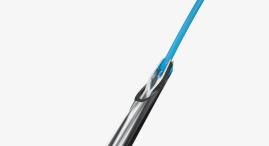
The graft is drawn into the cartridge by withdrawing the syringe.
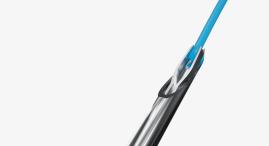
Connect the syringe directly to the large round opening of the cartridge. The graft is now ready for injection.
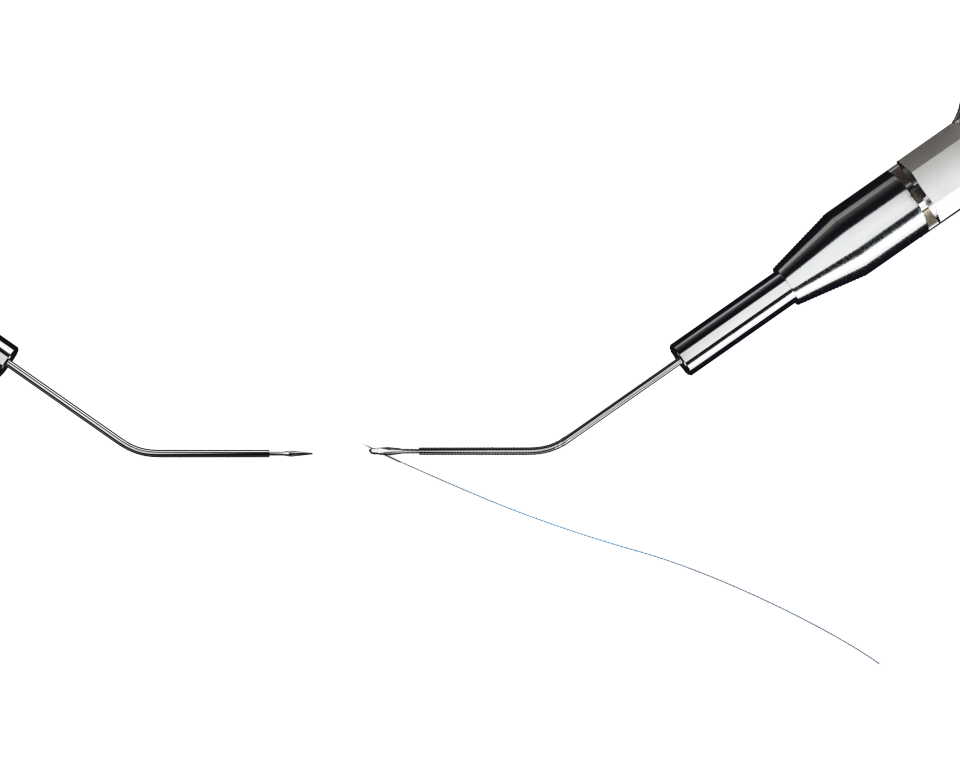
Advantages of the DMEK cartridge
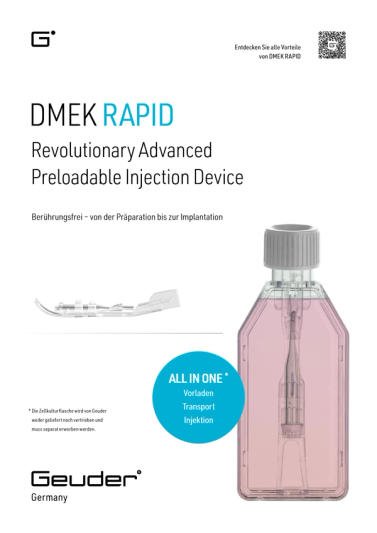
A precision instrument for the gentle and reliable injection of DMEK grafts into the anterior chamber.
- 1. Safe and easy loading of the graft through the large, rounded opening of the cartridge
- 2. Excellent visualization and verification of graft orientation
- 3. Gentle and atraumatic injection of the lamella into the anterior chamber
- 4. Available in two incision sizes from 2.4 to 2.75 mm or 2.8 to 3.0 mm
In practice
Watch the DMEK cartridge in action and see how it enables gentle, atraumatic graft injection into the anterior chamber.
Learn more
What ophthalmologists say

The simple rotation of the DMEK graft in the injector makes it easier to introduce it into the anterior chamber in the correct orientation. I like to rotate the injector until the graft is properly oriented, and only inject it afterwards.
The Geuder DMEK glass cartridge enables perfect loading and insertion as well as easy orientation and injection through a small, self-sealing incision. Since endothelial cells do not adhere to the glass, this excellent contact-free insertion technique causes only minimal damage to the endothelial cells.
I have been using the Geuder cartridge system for DMEK since its inception. It is simple to use and effective. You can find some tips on the technique on my YouTube channel.
Further details
Download our brochure and learn more about our DMEK portfolio.
Other Co-Creations
Our Signature Line products are created in close collaboration with renowned ophthalmic surgeons. They combine the experience of leading surgeons with the precision of our instruments – for surgical excellence that sets new standards.
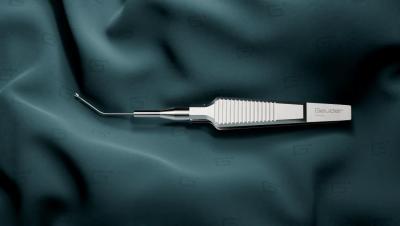
Hattenbach – Iris Suture Hybrid Set
When experience and innovation go hand in hand, solutions emerge that truly support surgeons in the OR.
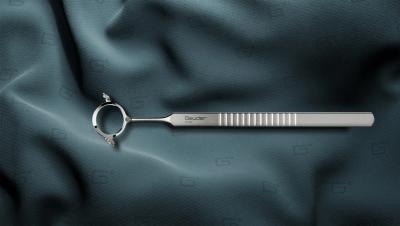
Yamane – Double-Needle Stabilizer
Developed for greater safety and reproducibility in flanged intrascleral IOL fixation – from the first step to a stable lens position.
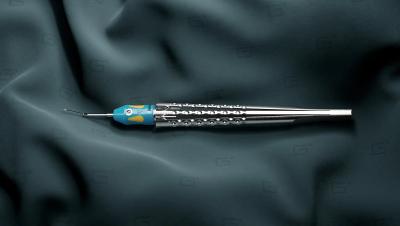
Amon – Single-Use Micro Forceps Needle
Precision redefined – that's what the Amon Signature Line stands for, developed together with Geuder.